
From Classroom to Cargo: The Skills Behind South Africa’s Transport and Logistics Future
Anyone who has ordered something online and watched the delivery driver show up a day early has seen it happen. South Africa’s transport and logistics industry is changing fast. E-commerce is booming, last-mile delivery is everywhere, AI is creeping into daily operations, and new vehicle technologies are arriving. All of these rapid changes are reshaping the skills the industry needs.
These changes also create real opportunities for jobs, for small businesses and for people who haven’t had a seat at the economic table, but it only works if what people learn matches what workplaces need.
This was the key theme of Open Learning Group’s Transport Month Webinar on 28 October 2026, where industry voices and experts talked about occupational learning and the skills that will prepare the workforce for what they should expect, especially young professionals.

A Qualification is Only the Start
Musi Skosana, who leads Further Education and Training at Open Learning Group, opened with a question that stuck with the room:
“What is the value of an educational qualification if a person holding that qualification cannot solve the problems waiting for them in a workplace?”
As uncomfortable as the question is, it speaks to the worries of all L&D and HR managers across the country. This doesn’t mean that education and qualifications do not matter at all, but employers want employees who can use what they have learned in their training, adjust skills when things change, and make a difference to how the organisation performs.
Last-Mile Logistics: a Door Open to Young Entrepreneurs
Our guest speaker, Serin Joy Boitumelo Matjoa, pointed to last-mile logistics as one of the most promising areas for youth skills development. Increasingly, young people are moving into delivery and logistics, and many of them are doing it with no formal training in either logistics operations or running a business.
Matjoa, who brings deep experience in transport planning, freight logistics, and rail and aviation oversight, sees a clear role for training institutions here: helping these young people build the knowledge to run, and grow, businesses of their own.
Beyond creating employment opportunities, training in this field could help aspiring entrepreneurs understand the operational, financial and technological requirements of running sustainable logistics businesses.
Digital Skills and AI
Another significant theme was the growing importance of digital skills within transport and logistics. Companies are adopting new tools to see more of their supply chains and to run warehouses, plan transport and work more efficiently.
Matjoa identified digitalisation and AI as key areas for future skills development, while encouraging training institutions to prepare young people for technology-driven workplaces. However, preparing individuals to merely use new software isn’t enough anymore. The true work is in equipping employees to become adaptable, improve their problem-solving skills and gain a willingness to embrace continuous learning.
The key takeaway is that a more robust approach has to be taken. Employers need to prioritise investing in workforce development that responds to technological change. For employees, this highlights the value of acquiring digital skills, while pairing them with practical industry knowledge.
Technical Trades Still Matter
While digital advancements continue to reshape our world, it was important that we also speak about the importance of artisanal and technical skills in the logistics industry. Matjoa encouraged young people to recognise career opportunities in practical trades such as diesel mechanics, vehicle hydraulics, and electric vehicle maintenance. As vehicles and equipment get more sophisticated, the workforce behind repairs and maintenance must also be equally skilled.
These careers are a reminder that transport and logistics isn’t only about office jobs. They also make the case for treating vocational and occupational education as a credible route to employment and self-employment, especially for learners who aren’t headed to university. A good occupational programme can give them practical skills that employers actually want.
South Africa continues to face challenges in providing sufficient post-school education opportunities for young people. This means that universities, occupational qualifications, vocational education, skills programmes and learning on the job all assist in building capabilities in the workforce.
Matjoa expressed her passion for expanding opportunities for learners who haven’t completed matric, particularly through practical, artisanal training. Her point was that learning pathways should fit people’s different backgrounds, strengths, and ambitions. When education providers widen access, more people can take part in the economy.
Connecting Industry Needs with Education and Training
The recurring message throughout the webinar was that education and practical training go hand-in-hand for a future-ready workforce. Employers need to communicate how their skills requirements are changing, and training providers need to answer with relevant, quality-assured learning. This collaboration is particularly important as industries navigate digital transformation, changing operational requirements and the need for continuous workforce development.
More than ever, businesses investing in occupational learning is more than a training expense. It is an opportunity to strengthen organisational capability, improve adaptability and prepare employees for future industry demands.
Moving Forward: Skills That Drive Opportunity
The future of the industry won’t be decided by technology or infrastructure alone. It will also depend on the people equipped to operate, maintain, manage and improve the systems that keep the industry moving. That includes last-mile entrepreneurs, digitally skilled professionals, qualified artisans and technical specialists.
The discussion at Open Learning Group’s Transport Month Webinar reinforced an important message: education should not only open doors to opportunity; it should equip individuals with the skills to succeed when those doors open.
Explore learning and skills development opportunities with Open Learning Group at olg.co.za.
Latest Posts
Ready to move your future forward?
Explore OLG’s Logistics and Supply Chain qualifications and discover where your learning journey could take you.
Other News
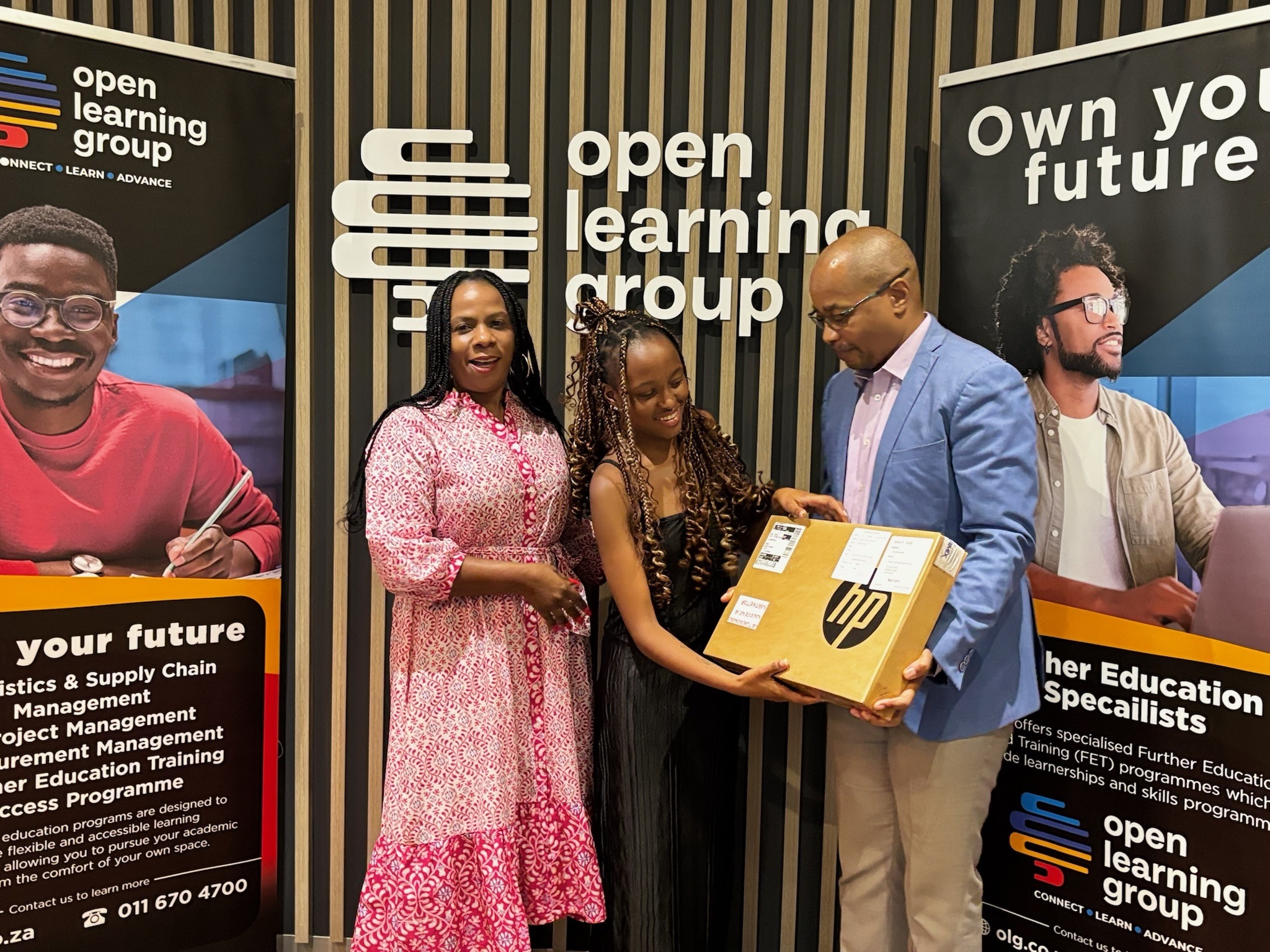
ETDP-SETA Handover
The Real Work of Youth Impact Begins with Access As South Africa reflects on Youth Day this June, the conversation around young people, opportunity, and
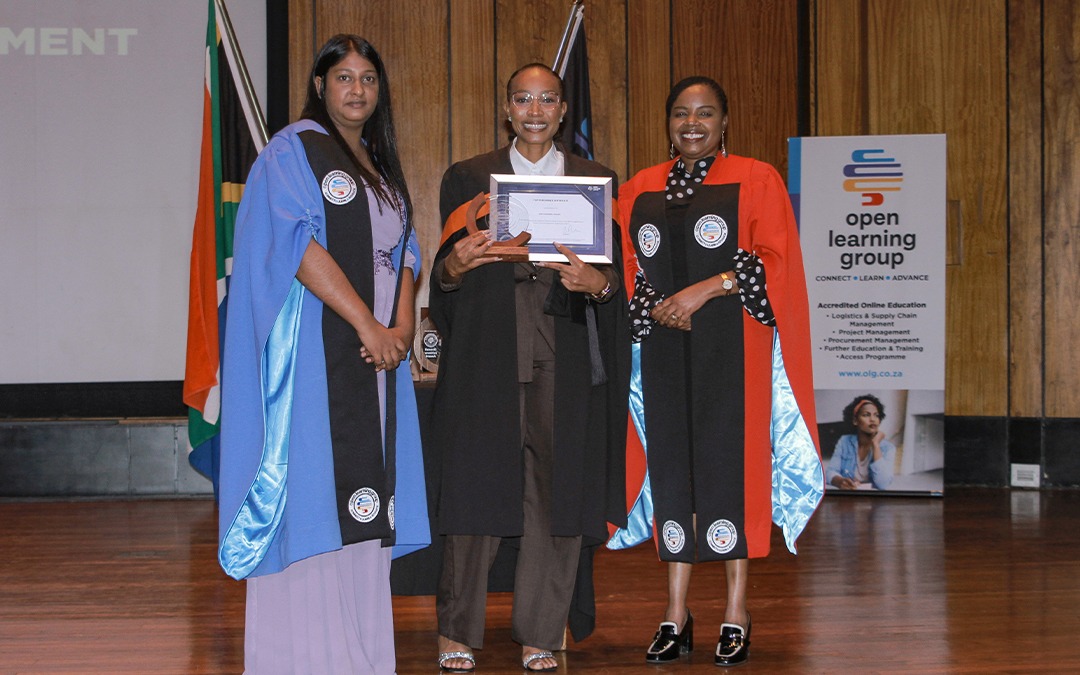
From Determination to Distinction: How Three OLG Top Achievers Transformed Their Futures Through Logistics Education
Anyone who has ordered something online and watched the delivery driver show up a day early has seen it happen. South Africa’s transport and logistics

OLG Graduation – Class of 2026
SAEPA Graduation – Class of 2026 Celebrating a Proud Milestone Congratulations to our incredible students who celebrated their graduation at OLG! Your hard work, dedication,